Preparing your Springfield home for spring storm season
Spring storm season preparation Springfield VA starts with a roof and gutter inspection, clearing drainage, and testing your sump pump before the first April downpour.
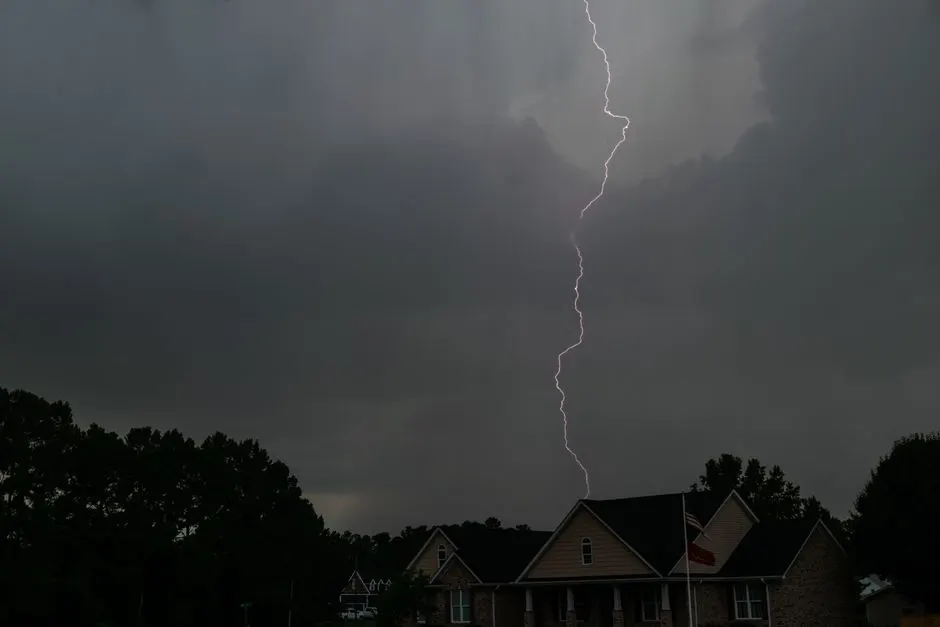
Spring storm season preparation Springfield VA is the work you do in late winter and early spring - roof and gutter inspections, drainage clearing, sump pump testing, and sealing entry points - before the first heavy April rain. The single most important step is a roof and gutter inspection in March, because clogged gutters and loose shingles are what turn a normal thunderstorm into a flooded basement. Springfield sits in a pocket of Northern Virginia where clay soil, mature tree canopy, and 40-plus inches of annual rain combine to push water against foundations fast. This post walks through the exact checklist we use on homes across Springfield, the mistakes that cost homeowners thousands every spring, and when it makes sense to bring in a crew.
Why Springfield's spring storms hit harder than most homeowners expect
Springfield gets roughly 42 inches of rain per year, and a disproportionate share of it lands between late March and June. That matters because the ground is already saturated from winter snowmelt, so a two-inch storm in April does what a four-inch storm does in August - it runs off instead of soaking in.
The soil here is heavy clay. Water does not percolate through it; it sheets across it. If your grading slopes toward the house or your downspouts dump within three feet of the foundation, that water finds the path of least resistance - usually your basement wall or crawl space vent.
Add the tree canopy. Springfield's older neighborhoods have mature oaks and maples that drop seed pods, small branches, and last year's leaves into gutters all winter. By March, a gutter that looked fine in November can be 80% blocked. The first heavy rain sends water over the back edge, straight down the fascia and into the wall cavity.
We see the results every April: wet basements in West Springfield Water Damage Restoration calls, ceiling stains in North Springfield Water Damage Restoration jobs, and crawl space moisture in the older split-levels near Cardinal Forest Water Damage Restoration requests. None of it is random. It follows the water.
How do I prepare my Springfield VA home for spring storm season?
You prepare by working top-down and outside-in: roof first, then gutters, then grading and drainage, then the mechanical systems inside that handle water when it gets in anyway. Do it in that order and you catch 90% of the problems before they become claims.
Here is the checklist we hand homeowners in late February:
- Walk the roof line from the ground. Look for lifted, cracked, or missing shingles, and any flashing that has pulled away from a chimney or vent. Binoculars work fine.
- Clean gutters and downspouts. Flush them with a hose and confirm water exits at least 4-6 feet from the foundation.
- Check the grading. Soil should slope away from the house at roughly 6 inches over the first 10 feet. If it slopes toward the house, that is your first fix.
- Test the sump pump. Pour five gallons into the pit and time how long it takes to clear. If it runs longer than 30 seconds or makes grinding noises, replace it before April.
- Inspect window and door seals. Cracked caulk around basement windows is a direct path for wind-driven rain.
- Clear crawl space vents. Blocked vents trap moisture; open vents let a driving rain in. Screened vent covers solve both.
- Trim overhanging branches. Anything within 6 feet of the roof is a shingle waiting to be torn off.
That list takes a homeowner most of a Saturday. It prevents the majority of spring storm damage we get called out for. If you would rather have it done right the first time, our team handles storm damage restoration Springfield VA and pre-season inspections on the same visit.
What are common spring storm damage issues in Springfield Virginia?
The most common spring storm damage issues in Springfield Virginia are roof leaks, basement and crawl space flooding, sump pump failures, and sewage backups caused by overwhelmed municipal lines. Each one has a signature - learn it and you can catch the problem in hours instead of weeks.
Roof and flashing leaks
Wind-driven rain pushes water sideways under shingles that shed vertical rain fine. You will see a brown ring on the ceiling, usually within 24-48 hours of the storm. Left alone, that moisture feeds mold in the attic within 72 hours.
Basement and crawl space flooding
This is the number-one call we get in April. Water enters through hydrostatic pressure against the foundation wall, through floor drains that back up, or through a failed sump. A finished basement can take on two inches of water and require $8,000-$15,000 in 2026 pricing to dry, repair drywall, and replace flooring.
Sump pump and power failures
Spring storms knock out power. A sump pump without a battery backup is a paperweight during the exact storm you need it. We see this every year in the older homes along the Rolling Road corridor.
Sewage backups
When three inches of rain falls in two hours, municipal lines surcharge. Water reverses into basement floor drains and utility sinks. That is not clean water - it is category 3, and it needs professional sewage backup cleanup Springfield VA, not a wet-vac and a bottle of bleach.
Foundation and window seepage
Hairline cracks in poured concrete walls weep under pressure. So do basement window wells that fill faster than they drain.
When should I schedule storm damage prevention in Springfield VA?
Schedule storm damage prevention in Springfield VA in late February or early March - roughly four to six weeks before the first significant April rain. That window gives you time to book a roofer, a gutter crew, and a sump pump replacement without competing with everyone else who waited until the first storm hit.
If you miss that window, late March still works. What does not work is calling on April 15 after three inches of rain has already come through your ceiling. By then every restoration company in Fairfax County is booked, and you are waiting days for a tarp.
For homeowners who want the whole checklist handled in one visit, we offer a pre-season inspection that covers roof, gutters, grading, sump, and crawl space. It is the same inspection we run before quoting any water damage repair Springfield VA job.
Roof and gutter inspection before spring storms in Springfield VA
A roof and gutter inspection before spring storms in Springfield VA should happen every March, and it should take about 45 minutes on a single-family home. Here is what a real inspection covers - not just a glance from the driveway.
What we look for on the roof
- Lifted or missing shingles, especially on south- and west-facing slopes where UV damage is worst
- Flashing pulled loose around chimneys, skylights, and vent pipes
- Granule loss - bald spots mean the shingle is near end of life
- Soft spots or sagging that suggest decking has already been wet
What we look for in the gutters
- Debris depth - anything over one inch is a problem
- Loose hangers and sections pulling away from the fascia
- Downspouts that discharge within three feet of the foundation
- Splash blocks that have shifted or cracked
If a shingle is missing or flashing has failed, that is a roof leak repair Springfield VA issue, and it needs to be fixed before the next rain - not after. Water that gets into the attic travels along rafters and shows up 10 feet from the actual leak, which is why ceiling stains are almost never directly under the hole.
Common mistakes we see every April
The mistakes that cost Springfield homeowners the most money are almost always about timing and triage - doing the wrong thing first, or waiting too long to do anything.
- Waiting for the first storm to check the gutters. By then it is too late; the damage is already in the wall.
- Assuming a new roof means no leaks. Flashing and vent boots fail before shingles do. A 5-year-old roof can still leak at the chimney.
- Running a wet-vac on sewage backup. Category 3 water carries bacteria and pathogens. A shop vac spreads them through the house.
- Ignoring a musty smell in the basement. That smell is mold, and it starts within 48-72 hours of a moisture event.
- Not testing the sump pump until it rains. Test it in March with a hose. If it fails in April, you are pumping by hand.
- Letting downspouts dump next to the foundation. This is the single cheapest fix on the list and the one most often skipped.
If you have already had water in the house this year, do not wait for the next storm. Moisture left in drywall, insulation, or carpet feeds mold fast. Our team handles mold testing Springfield VA and full structural drying so you know exactly what you are dealing with.
When to call a professional
Call a professional when water has already entered the home, when the damage is more than a single ceiling tile, or when you are not sure whether the water is clean. Three situations always warrant a call: standing water more than a quarter-inch deep, any water that came up through a drain, and any moisture that has been sitting more than 24 hours.
Springfield Water Damage Pros handles storm damage restoration across Springfield and the surrounding Fairfax County neighborhoods. We extract the water, dry the structure, and document everything for your insurance claim. If you are not sure whether you have a problem, call us and describe what you are seeing - we will tell you straight.
Frequently Asked Questions
How do I prepare my Springfield VA home for spring storm season?
Start with a roof and gutter inspection in March, clear all downspouts at least 4-6 feet from the foundation, test your sump pump with five gallons of water, and seal basement window wells. That five-step routine prevents most spring storm damage we see in Springfield.
What are common spring storm damage issues in Springfield Virginia?
Roof leaks from wind-driven rain, basement and crawl space flooding, sump pump failures during power outages, and sewage backups when municipal lines surcharge. Clay soil and mature tree canopy make all four more likely here than in most of Northern Virginia.
When should I schedule storm damage prevention in Springfield VA?
Late February or early March - four to six weeks before the first heavy April rain. Booking early means you get a roofer and gutter crew on your schedule instead of waiting behind everyone who called after the first storm.
Does insurance cover spring storm damage in Springfield VA?
Most homeowners policies cover sudden storm damage - wind, hail, fallen limbs - but not gradual wear like an aging roof or repeated seepage. Document everything with photos before you clean up, and call us; we work with adjusters regularly and can help you file correctly.
Who offers emergency storm damage restoration in Springfield Virginia?
Springfield Water Damage Pros offers 24/7 emergency response for storm damage, flooding, and sewage backups across Springfield and Fairfax County. We typically arrive within 60-90 minutes and start extraction immediately to limit secondary damage.
Get help with Water Damge Restoration in Springfield
If spring storms have already put water in your Springfield home, or you want the pre-season inspection done before April, call us. We handle everything from a wet ceiling to a flooded basement, and we document the whole job for your insurance claim.
Call Springfield Water Damage Pros at +1 (866) 658-4281 - we answer 24/7 and dispatch across Springfield and Fairfax County.